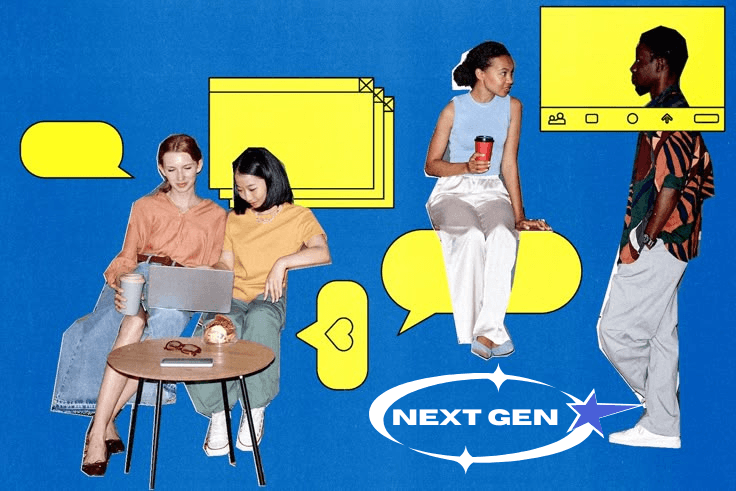
The new generation of employees Generation Z is entering the job market with confidence and reshaping traditional work models. This generation values authenticity, flexibility, meaningful work, purpose-driven careers, and digital fluency. For HR teams, this marks a challenge: to design employee experiences aligned with Generation Z expectations, using modern HR practices, people-first strategies, digital HR tools, and future-ready workforce planning.
What Generation Z Employees Expect from Their Employers?
Gen Z employees grew up in a digitally connected world with constant change. They prioritize innovation, creativity, personal development, continuous learning, and career growth opportunities. HR departments must implement employee engagement strategies, talent retention programs, mentoring and coaching, modern leadership development, and workplace culture transformation to attract and retain this generation.
- Flexibility and Work–Life Balance
Generation Z seeks a flexible working environment, hybrid work models, and trust-based management. Companies providing adaptive HR policies, employee wellbeing programs, and work-life balance initiatives are more likely to attract young talent and boost employee satisfaction.
- Continuous Learning and Development
Gen Z never stops learning. They want training programs, digital learning platforms, mentorship opportunities, skill development initiatives, and personalized career coaching. Organizations that focus on leadership training, career progression, employee recognition, upskilling, and professional development earn trust, loyalty, and commitment.
- Open Communication and Trust
Transparency, dialogue, and employee feedback systems are essential. Gen Z wants participation in decision-making, knowledge of organizational goals, and fair evaluation processes. Companies that promote inclusive workplace culture, employee empowerment programs, and HR innovation foster strong engagement and high-performing teams.
- Purpose and Authentic Values
Younger professionals seek not only a good job but also a fulfilling career. They want to work for organizations with a clear vision, social awareness, and values aligned with their own. Issues such as environmental responsibility, equality, inclusion, and corporate ethics strongly influence their choices. When a company demonstrates integrity through action, it earns respect and commitment.
- Technology That Empowers People
Gen Z expects digital collaboration tools, HR analytics platforms, data-driven HR decisions, automation for efficiency, and innovation-friendly environments. Technology-enabled HR helps adaptive leadership, team collaboration, employee productivity, strategic workforce planning, and creative problem-solving.
How HR Is Responding to the New Reality?
HR evolves from administrative processes to strategic, people-centered leadership. It shapes organizational culture, fosters employee engagement, implements future-ready workforce solutions, develops inclusive leadership, drives talent management, and prioritizes employee wellbeing. By focusing on career growth, personal development, training initiatives, workplace innovation, and leadership coaching, HR ensures high-performing, motivated teams.
- From Process Management to People Empowerment
Modern HR focuses on human needs, motivation, employee engagement, talent development, and personal growth, creating environments that encourage performance, innovation, collaboration, creativity, and professional development. Organizations that invest in their people, workforce capabilities, career progression, and continuous learning achieve higher retention, stronger commitment, and more resilient, high-performing teams.
- Building a Culture of Trust
rust is built through consistency, transparency, open communication, ethical leadership, feedback systems, and fair evaluation. When employees feel safe, respected, valued, and empowered, they are more likely to innovate, collaborate, contribute, and thrive.
- Developing Inspiring Leaders
Leaders shape the daily experience of their teams. HR empowers them through training, coaching, mentoring programs, skill development, and leadership development. A leader who inspires with empathy, respect, emotional intelligence, and collaboration skills creates motivated, innovative, high-performing teams.
- Technology with a Human Touch
Digital HR tools do not replace people they empower employees, enhance productivity, streamline processes, and facilitate communication. By automating repetitive processes, HR gains more time for meaningful human interaction, employee engagement, mentoring, collaboration, and strategic decision-making.
Generation Z brings new generation workforce values, high expectations, and digital fluency. They demand authenticity, hybrid work models, career development opportunities, and purpose-driven workplaces. HR leads the transformation with human-centric HR strategies, digital HR transformation, and future-ready HR solutions As https://worktrust.gr/ emphasizes, human capital is not just a resource; it is the driving force that shapes the future of every organization.