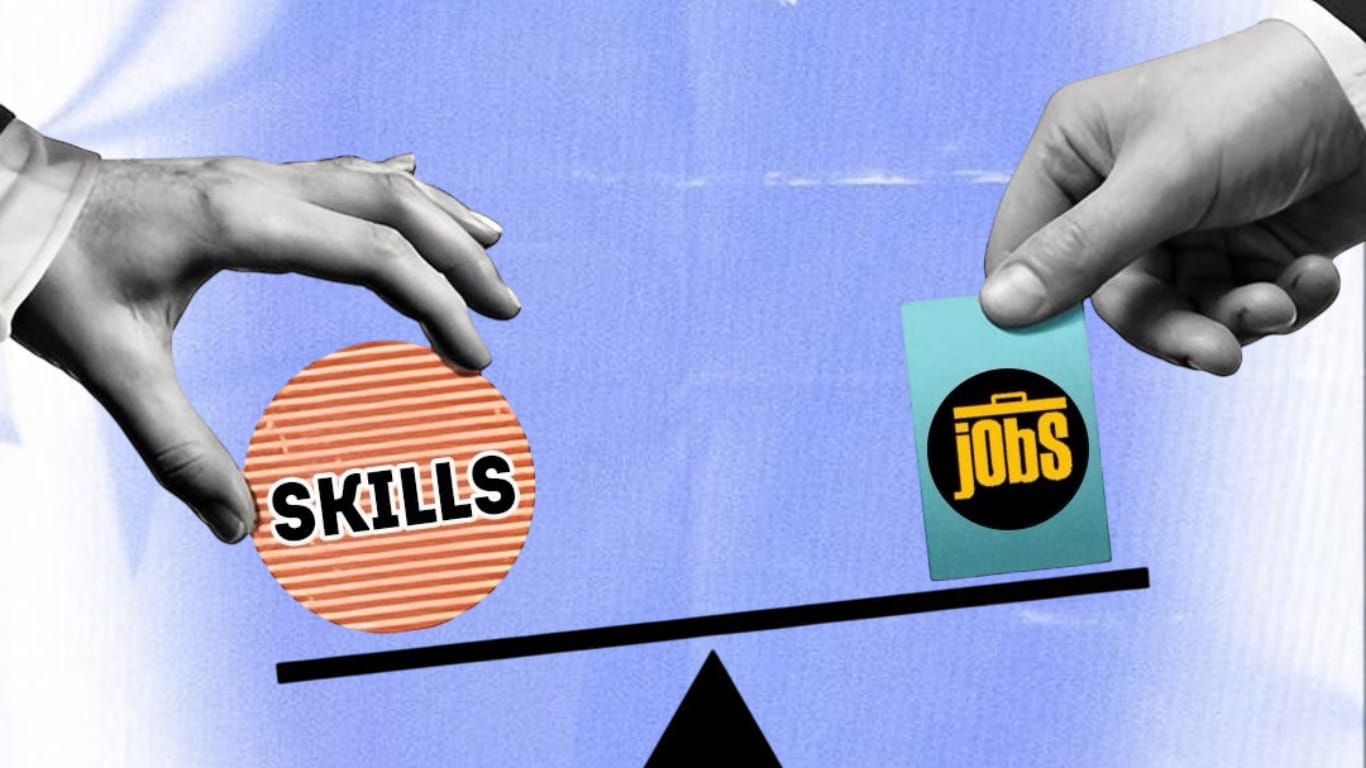
In an era where technology constantly reshapes the world of work, the so-called “talent shortage” is no longer a distant concern; it’s a reality. Organizations around the globe struggle to find people with the right skills amid rapid digital transformation and changing workforce expectations, while the skills themselves are evolving faster than ever. The solution doesn’t always lie in the job market. It lies within the organization, in the education, empowerment, and continuous development of the people already inside it.
That’s where upskilling and reskilling come into play.
What Upskilling and Reskilling Really Mean
- Upskilling means enhancing the skills employees already have to help them remain competitive or advance within their field.
- Reskilling, on the other hand, involves learning completely new skills to move into a different role or discipline within the same organization.
Neither is simply HR programs; they are strategic investments in human capability.
At their core, they build organizational adaptability, the ability to evolve alongside your people.
The Talent Shortage in Numbers
The latest ManpowerGroup 2025 Talent Shortage report shows that 74% of employers worldwide struggle to find workers with the right skills, the highest rate in 17 years. The challenge isn’t the lack of people; it’s the mismatch between existing skills and emerging needs driven by technology, automation, and the green economy. In this landscape, learning and adaptability become essential competitive advantages. Organizations that recognize this shift early can retain talent, foster innovation, and grow sustainably over time. Rather than competing for the same limited pool of talent, companies can build their own through a culture of continuous learning.
Why Upskilling Is a Strategic Imperative?
Modern skill development isn’t a “nice-to-have.” It’s a competitive differentiator. Research shows that companies investing in structured upskilling programs achieve:
- up to 2x higher employee engagement,
- lower turnover rates, and
- greater innovation, as employees learn to think and act with agility.
Learning also fuels a sense of trust and recognition. When people see their organization investing in their growth, they respond with loyalty and performance.
Building a Culture of Upskilling and Reskilling
Change starts with a mindset. Learning is not just an HR initiative; it’s a leadership strategy.
To make it work, organizations need structured, data-driven steps:
- Map skills and identify future gaps. Assess what skills exist today and what will be needed tomorrow. This enables HR to target truly critical gaps.
- Personalize the learning experience. Every employee learns differently. Blend microlearning, mentoring, and hybrid models to increase engagement and relevance.
- Link learning to performance. Development must connect directly to business KPIs. When new skills lead to measurable outcomes, learning becomes a growth driver, not a cost.
- Reward transparency and recognition. People commit to what gets recognized. Celebrate participation, share success stories, and make learning visible across the organization.
Reskilling: The Bridge to Sustainable Adaptation
Reskilling acts as a bridge between old and emerging needs. Instead of letting roles disappear with changing technologies, companies can help employees transition into new positions, for example, from operational to analytical or digital roles. This approach delivers a dual benefit:
- The company retains valuable institutional knowledge and culture.
- Employees gain security and a clear career path, strengthening engagement and morale.
In practice, reskilling requires collaboration between HR, Learning & Development, and leadership. It’s not a set of workshops; it’s a comprehensive talent management strategy.
The talent shortage isn’t about a lack of people; it’s about a lack of development. Organizations that still treat learning as optional risk being left behind. Upskilling and reskilling turn uncertainty into opportunity.By investing in your people, you don’t just adapt to the future you shape it with purpose, resilience, and vision.